Retirement Life After 60. An Aged Woman leading A Happy Life

Retirement Life After 60: Build These 5 Pillars for Independence and Happiness

How many people will be there for you when you finally hit 60, 65, etc? Do you think that your family or something more lasting will be there to support you? Most of us only think about this question once we arrive. While family is a beautiful source of love and connection, relying solely on others, no matter how close they are, may not provide the stability and independence you need to thrive. Life after retirement and 60 years of age is exciting as you face a different set of challenges and opportunities.

It’s time to focus on building a foundation that contributes to your well-being, security, and happiness. This article will reveal the five pillars, the fundamental foundations of a satisfying life as you age. These aren’t just thoughts; they are practical, time-tested methods to guarantee you can stand tall no matter what comes your way, after retirement.

Retirement Life After 60. A woman in late sixties, leading A Happy Life

Whether you’re approaching this milestone or have already reached it, stay engaged. These insights might shift your perspective about the coming years and guide you in creating a life as secure as it is meaningful. Let’s begin.

1. Financial Independence After Retirement.

Financial independence is the foundation of a secure and dignified life after 60. It means meeting your needs without burdening your family or feeling dependent on others. However, our medical bills, daily expenses, and entertainment costs can also increase as we age.

Without your savings, investments, or income sources after retirement, you might find yourself in awkward situations where other people make decisions instead of you. Financial freedom is not solely dependent on money. It’s about controlling your own life and your own choices.

Consider the case of Mr. Joseph, a retired teacher in his 60s. Joseph took the time to save throughout his career, putting aside money for emergencies and experiences that mattered to him, such as travel and hobbies. When his children settled abroad, he was proud to be still self-sufficient, able to pay for his own needs, and even treated his grandchildren when they came to visit him.

Retirement Life After 60. Mr. Joseph in his studies.

His financial independence afforded him the luxury of enjoying life on his own terms while preserving his dignity and relationships without feeling like a burden. Retirees or those planning to retire can still achieve financial independence, even after retirement. You can start with a careful budget that mirrors your current expenses and what you expect to spend in the future.

Find areas where you can cut back, such as subscriptions you don’t need or luxury spending, and put that money into savings instead. Add passive income sources — like rent payments, dividends, or low-effort side jobs that fit your skill set—to your bag of tricks. If not done already, speak with a financial advisor and see the best options for your case.

That said, every little step you take to achieve greater financial resiliency and income freedom puts you in a position to live a happy life after retirement and 60 years of age on your own terms.

2. Physical Health After Retirement

To remain healthy is to stay independent.

Staying physically fit past the age of 60 is arguably one of the best ways to prevent dependence on others for everyday needs. Taking care of your well-being lowers the chances of chronic illnesses and injuries that can cause dependence. When you have good health, you can continue doing what you enjoy, whether travelling or running your house smoothly.

Retirement Life After 60. Mrs. Lekshmy having a brisk walk

It’s not merely about enduring longer but also about living more with virility and independence. I know a respectful lady, Mrs. Lekshmi, a 70-year-old who lives joyfully after retirement. She has become a role model, a poster girl in her community for ageing gracefully. Mrs. Lekshmi follows a simple morning routine.

She takes a 30-minute brisk walk, performs some light yoga, and has a nutrient-rich breakfast. Despite her age, she also does grocery shopping, cooks meals, and even volunteers at a local charity. Remaining active and eating well has kept her healthy and given her the energy to live independently and pursue her passions without needing assistance from family or caregivers.

Anyone over 60 need not make physical health an overly complex issue. Begin with a daily walking regimen. Even 20 to 30 minutes of walking daily can improve cardiovascular health and mobility.

Supplement this with strength training (light weights or resistance bands) to maintain muscle mass and bone density. A nutritious and balanced diet of vegetables, fruit, lean protein, and whole grains can fuel your body through high stress and activity. Finally, do not miss routine health checkups.

Identifying potential issues early can help avoid more severe problems down the road. These steps also invest in your independence and a healthier, more fulfilling life.

3. Emotional resilience After Retirement

Life beyond 60 is usually filled with significant changes.

Kids might move out, careers might slow down, and social circles might get smaller. But it is in these moments that emotional resilience is your number one friend. Emotional stability is the mental fortitude that enables you to adjust to change, fight off isolation, and remain calm during futile anxiety.

It may not be a matter of avoiding difficulties in life. Undoubtedly, we will face numerous challenges after retirement, yet overcoming these obstacles offers opportunities for sustained focus and positivity. This resilience means that transitions in life will not break you down but will lift you and lead you down a path of greater understanding of who you are.

Retirement Life After 60. Mr. Suresh Chandran in meditation

I have a close friend, Mr Suresh Chandran, a retired painting artist who left with an empty nest after his children moved abroad. At first, he felt lonely and directionless. But rather than focus on what he no longer had, Suresh Chandran started meditating and found the joy of painting again.

Suresh Chandran discovered peace and joy by practicing daily mindfulness and immersing himself in his art. He even began showing his work in local galleries, spreading new connections and inspiration. His emotional backbone allowed him to sustain and find new meaning and joy in his new life after retirement.

Emotional resilience is something anyone can cultivate. Start with mindfulness. Spend a few moments of deep breathing each day or observe your thoughts nonjudgmentally. Set aside time for hobbies you find fun—gardening, reading, crafting—because these can serve as an anchor during difficult times.

Cultivate gratitude by writing down three things you are grateful for daily. This small practice can train your mind to notice abundance instead of scarcity. It’s just like a muscle; you have to exercise it. The more you support it, the more fortified it gets, helping you navigate the winds of change with grace and faith.

4. A Satisfying Social Network

The significance of friendships amplifies as we age and during life after retirement.

While family is indeed an integral part of our lives, the added benefit of having a network of people outside the family is paramount to our flourishing. Friendships offer companionship, lessen feelings of isolation, and motivate us to be active and engaged. Such relationships can provide joy, purpose, and belonging, all of which are key elements for emotional and mental health.

Retirement life after 60. A group of elderly people enjoying coffee together at an open-air restaurant
Retirement life after 60. A group of elderly people enjoying coffee

Friends are not family; friends are chosen, and these relationships are often rooted in commonalities, mutual respect, and sincere care. Ms Vanaja is a nurse in her late 60s who leads a satisfying life after retiring from medical services at a reputed hospital. When her children left home, she started a local book club to rekindle her love of reading.

Through the club, Vanaja learned about new authors and made close friends with individuals who shared her passion. They started seeing each other outside the club for coffee, weekend outings, and to celebrate holidays. That’s when her social group started acting like her family, offering her the emotional care and camaraderie she required to help her get through this new period.

Forming and maintaining a social circle after retirement from official work takes time and effort, but it is well worth the effort. Find clubs or groups that share your interests, such as gardening, cooking, or hiking. This is an excellent method of meeting similar people while giving back to the area.

Rediscovering old friends can also resurrect meaningful relationships from the past. Your aim should be fewer people than your friendships, not more. So, surrounding yourself with people who lift and inspire you can add richness and depth to the journey after 60.

5. Clear Sense of Purpose

Having a clear sense of purpose in life, even after retirement, is one of the most fulfilling experiences, no matter your age.

At the same time, one needs to get up every morning and look forward to the day ahead, especially after 60. Purpose—work, volunteering, a creative outlet, or a personal project—lends life shape and meaning.

Retirement life after 60. Mr. Joh working diligently in a cozy wood workshop.

Without it, days can seem monotonous, and life may lack the vivacity that fuels joy and fulfilment. Having a purpose sharpens your mind, keeps your body active, and feeds your spirit. I have a friend and colleague, Mr. John Sebastian, who, after a long career in engineering, found himself floundering in retirement with no work structure or goals to guide his days.

Instead of succumbing to boredom, John turned to a lifelong interest: woodworking. He started making small furniture to donate to community centres and schools.” The new passion helped him stay busy and left him feeling that he contributed and assisted even after retirement, which delighted him.

His work became his mission—proof that you’re never too old to find or redefine your purpose. If you don’t know where to start, consider your passion and interest. What makes you happy? Is there a cause that you care about? Establish achievable goals that will help you feel fulfilled by these interests, for example, writing a book, mentoring younger people, or learning a new skill.

It is another fantastic opportunity to give back, network, and remain involved. Maintain your interest and be prepared to embrace the challenge. Most importantly, you’ll enliven your own life while inspiring people around you!

Retirement life after 60. A group of elderly men and women enjoying tea, laughing, and engaging in joyful conversation.

Conclusion

As you navigate life after retirement, know that the best and most reliable support system comes from others and what you build for yourself. These factors may include financial independence, physical health, emotional resilience, a supportive social network, and a clear sense of purpose. These five will free your heart and mind to live life with purpose and joy, whatever challenges arise. Let your Life after retirement be a fulfilling one

References

For further insights, you may refer to the following resources:

Financial Independence and Health in Retirement: This article discusses the critical connection between health and happiness in retirement, emphasizing the role of financial stability and well-being. Investopedia

Physical Health and Longevity: Dr. Gladys McGarey, a 103-year-old physician, shares her six secrets to health and happiness at every age, underscoring the importance of physical activity and finding purpose. The Sun

Emotional Resilience and Social Connections: This piece explores how older women can thrive in the workplace, highlighting the importance of emotional resilience and supportive relationships. Financial Times

Purposeful Engagement After 60: This article offers insights into finding purpose in life after 60, focusing on the keys to happiness and meaningful engagement. Sixty and Me

These resources provide practical advice and real-life examples that complement the pillars discussed in the original article, offering a comprehensive guide to achieving independence and happiness in later life.


A Show of Empathy. A heartwarming moment between the farmer and the little boy.

Empathy in Action: Creating Ripples of Positive Change

Empathy Begins with a Little Boy

In a quiet village, a farmer decided to sell his puppies. He painted a sign: “Puppies for Sale” and began nailing it to a post near his yard. As he hammered the last nail, he felt a gentle tug on his overalls. Looking down, he saw a small boy, no older than eight, with hopeful eyes.

“Mister,” said the boy softly, “I want to buy one of your puppies.”

The farmer paused, wiping his brow. “These puppies come from fine parents, son. They’re not cheap.”

The touching moment with the beautiful dog, playful puppies, and the frail little one capturing the boy's heart
The touching moment with the beautiful dog, playful puppies, and the frail little one capturing the boy’s heart.

The boy hesitated, lowering his gaze. Slowly, he dug into his pocket, pulling out a handful of coins. “I’ve got thirty-nine cents. Is that enough to take a look?”

The farmer smiled kindly. “Of course.”

Meeting the Puppies

The farmer whistled loudly. “Here, Dolly!” he called.

A beautiful dog came running out, her tail wagging excitedly. Four playful little puppies bounded after her, tumbling over each other. The boy’s face lit up with joy as he pressed his hands against the fence, watching them play.

But as he admired the puppies, something stirred inside the doghouse. A tiny, frail puppy appeared, wobbling and stumbling its way down the ramp. It was smaller than the others, its legs weak and unsteady.

“That one,” the boy said, pointing. “I want that one.”

The farmer frowned. “Son, you don’t want that puppy. He won’t be able to run or play with you like the others. He’s too small and weak.”

The poignant moment of empathy and understanding between the boy, the farmer, and the tiny puppy

Empathy Unveiled

The boy stood still for a moment. Then, slowly, he stepped back from the fence. With great care, he began rolling up the leg of his trousers. The farmer’s eyes widened as he saw a steel brace attached to the boy’s thin leg, running down to a specially made shoe.

The boy looked up, his voice trembling but firm. “You see, sir, I don’t run too well myself. That little pup will need someone who understands.”

The farmer’s heart ached with emotion. He crouched down, his eyes brimming with tears. Without a word, he picked up the tiny puppy, holding it gently. “How much?” the boy asked softly.

The farmer shook his head, smiling through his tears. “No charge. There’s no charge for love—and empathy.”

Empathy Makes the World Better

This simple act of kindness teaches us the power of empathy. Empathy means putting yourself in someone else’s shoes, understanding their struggles, and being there for them. The boy saw himself in the little puppy. Instead of choosing what was easy, he chose what needed care, love, and compassion.

The Importance of Empathy in Life

This is not just about feeling sorry for someone; it is about truly understanding their feelings, struggles, and needs. Empathy is the bridge that connects us to others in a world filled with challenges. It allows us to see beyond appearances and recognise the beauty and strength in everyone.

When you practice empathy:

  • You build stronger relationships: Empathy helps you connect with people deeply, making friendships and relationships more meaningful.
  • You Become a Better Leader: Great leaders understand their team members’ challenges and guide them with care and compassion.
  • You Create a Kinder World: A small act of empathy can spark a chain reaction of kindness, making the world a better place.
A woman demonstrates empathy towards her partner, encapsulating the warmth and connection that empathy cultivates in relationships.

Empathy in Action

Just like the boy in the story, you can practice empathy every day. Look around you—there may be someone who needs a kind word, a helping hand, or simply someone who understands.

Remember, empathy isn’t about pity; it’s about love. It’s about seeing the world through someone else’s eyes and saying, “I understand, and I’m here for you.”

Empathy is the capacity to put oneself in another’s position, perceive the world from one’s perspective, and experience what one perceives. There are three intrinsic types:

Cognitive Empathy: Being aware of someone’s thoughts and feelings.

Emotional Empathy: Feeling the same emotions as others.

Compassionate Empathy: combines empathy and concern; it involves not only understanding and sharing but also empathising with the concern and taking action to assist.

And each type plays an important role in encouraging human relationships in life, work, and other areas.

A single heartfelt moment, highlighting the power of empathy in a serene park setting

Why is Empathy Important?

Empathy is what holds societies together. It helps us make friends, settle disputes, and bridge gaps across divides. Here is why nurturing this great quality is important:

Enhances Relationships: Empathy nurtures relationships and helps in strengthening the bond. Finally, when you truly understand how another person is feeling and why, you respond in a way that shows care and kindness, strengthening your bond with that person.

Minimizes Disputes: Most misunderstandings happen due to lack of clarity. Empathy helps you understand other people’s positions, so you can find a solution to your conflict more quickly.

Improves Leadership: Building Empathy develops Great Leaders They care about their team, learn about challenges, and make decisions that help everyone.

Create a More Compassionate world: Empathy inspires individuals to reach out to others in distress.

How to Nurture Empathy

Empathy is not a fixed capacity that some have and some lack. This is an intentional and practiced skill. Here are a few practical ways of developing empathy in your life:

Practice Active Listening:

Listen actively when someone talks. Rather than think about your response, pay full attention to what they are saying. Pay attention to the way they say things, their emotions, and their body language.

Ask Questions:

Demonstrate real interest in someone else’s experiences. Questions such as, “How did that make you feel?” or “What was that experience like for you?” encourage others to share at deeper levels.

Read Stories and Watch Films:

You can experience other people’s lives through stories. Books, movies, and documentaries can expose you to emotions and perspectives you wouldn’t normally come across in your daily life.

Practice Perspective-Taking:

Try to walk a mile in someone else’s shoes It can be especially potent when speaking with those you disagree with.

Show Small Acts of Kindness:

Empathy is not always manifested through grand gestures. Believe me when I say that a smile, a kind word, or a helping hand goes a long way for someone who feels invisible.

Reflect on Your Own Emotions

When you truly understand your own feelings, it is easier to empathize with the feelings of others. Give yourself time to process and reflect on your own story.

Moments of empathy in everyday life showcase small gestures of kindness and understanding in a vibrant community setting.

Challenges to Empathy

The concept of empathy is so vital to human behaviour, yet can have its challenges when put into practice. Stress and fear can create prejudices within us, which can hinder our ability to engage with others. But acknowledging these challenges and consciously working to break them down can help you develop a more sympathetic perspective.

It’s a common misconception that empathy emotionally drains you. So, while too much emotional empathy can be tiring, coupling it with compassionate empathy enables you to help others, without burning out.

Empathy in Everyday Life

All you have to do is try to cultivate it in you and in the environment. It helps you remember the humanity within every stranger you meet. Small gestures of empathy, such as comforting a friend in their time of need, putting yourself in a colleague’s shoes, or lending a helping hand to a stranger, can create positive energy.

In addition, there is the whole concern of social issues and social responsibility. Empathy drives you to act for a more just, equitable world.

Conclusion: The Greatest Gift of All, Empathy

It is a privilege that benefits both the giver and the receiver. It is foundational to excellent relationships, positive leadership, and a better world. As you cultivate this, you become the energy of positive change, wiring more compassion into the world.

So listen, care, and put yourself in someone else’s shoes for a moment. The world is in dire need of more empathy—and that begins with you.

Resources

Here are five resources that explore the importance of this essential trait and offer guidance on cultivating the same.

  1. “Cultivating Empathy”American Psychological Association (APA)

This article discusses the significance in various aspects of life and provides strategies for developing empathy.

https://www.apa.org/monitor/2021/11/feature-cultivating-empathy

2. “Empathy: Definition, Types, and Tips for Practicing”Verywell Mind

This resource offers a comprehensive overview, including its different types and practical advice on enhancing empathetic skills.

https://www.verywellmind.com/what-is-empathy-2795562

3. “Why Is Empathy Important and How Can You Improve It?”SUCCESS

This article explores the critical role this trait plays in personal and professional relationships and provides tips on how to develop greater empathy.

https://www.success.com/why-is-empathy-important/

4. “The Crucial Role of Empathy: Understanding, Impact, and Development”Integrative Psychology

This piece delves into the various types, their effects on human interactions, and methods to cultivate empathy in daily life.

https://www.integrative-psych.org/resources/the-crucial-role-of-empathy-understanding-impact-and-development

5. “Why the World Needs an Empathy Revolution”Greater Good Science Center

This article emphasizes the necessity of empathy in society and discusses how fostering empathetic connections can lead to a more compassionate world.

https://greatergood.berkeley.edu/article/item/why_the_world_needs_an_empathy_revolution

These resources provide valuable insights into the importance of empathy and offer practical guidance on how to nurture this vital quality in everyday life.

Inner Peace- A wise monk Teaching a Young Man

Finding Inner Peace: The Art of Silence and Clarity

The Wise Monk and The Young Man with No Peace of Mind

A long time ago, a quiet monk lived in a mountain monastery. He was revered near and far for wisdom and counsel. In the valley, there lived a good young man who had been truly worried and had not found peace in his heart. And then one day, this young man approached him, and his face was frustrated and sad.”

The Young Man’s Restlessness


“Never, Master, I have always been a good man. I am feeding the poor, I am clothing the naked and praying every day. But I have no peace of heart. I am always restless. Why is it so?”

The old monk smiled and said to the traveler, “My child, could you please go and bring me some water from that pond down there?

The Murky Water

Still confused but wanting to please the monk, the young man took a small clay pot and moved toward the pool. When he added water, he was surprised to find it murky with mud. He returned to the monk and said, “Hold up the muddy water.”

The old monk observed this and said quietly, “Now, keep this pot here without moving.”

The young man, who was unable to find peace and patience, set the pot down on the ground. They were both quiet and watched the water. The water eventually became clear as the mud and sand settled at the bottom of the pot.

The Monk’s Lesson

The monk gazed at the clear water, saying, “Do you see now? When disturbed, the pot’s white water turned murky and swirled. But when you let it settle, everything settled, and the water cleared.”


The young man looked at the monk, confused. The monk smiled once more and said, “Your mind is like water. Active and “doing” people fill their plates with swirling activities and become more manic and muddy. You have to be quiet to quiet your mind and gather inner peace. Practise silence and focus on reflection, the realising within us. Only then will your heart become as clear as this water, and you will embody inner peace.

The young man remained silent, taking in the monk’s words. He thought he must have been so busy helping others find theirs that he forgot he must, too.” This day, he promised to stay still and pray, to let his mind quiet down from all that roiling restlessness.


The Lesson of the Still Water


This is a story that teaches us that peace arises from within. The water in the pot gets muddy from the earth and materials in it. In life, we are surrounded by constant movement, thoughts, and activities. It’s when you let that information settle, not all at once, but like that metaphor of how the water settles if you keep still, right? We can reach the peace and purity of our hearts through silence, reflection, and prayer.

As Eknath Easwaran says, the fast mind is sick, the slow mind is sound, and the still and silent mind is divine.

References

Here are five resources that explore themes similar to “The Restless Heart and the Tranquil Pond,” focusing on inner peace, mental clarity, and the importance of stillness:

  1. Thought for the Day—Blue Mountain Center of Meditation: This article explores the concept of a fast-paced mind as unhealthy, a slower mind as balanced, and a still mind as divine, reiterating the story’s theme of finding clarity through silence. BMC Medicine
  2. The Zen Monk and the Muddy Water: Finding Clarity in Stillness: This video narrates a Zen story where a monk uses the metaphor of muddy water to teach about patience and achieving mental clarity through stillness. YouTube
  3. Still Mind, Still Water – Talking Myths: This article recounts a Buddhist tale where the Buddha uses the example of muddy water settling to illustrate how a calm mind leads to clarity, similar to the monk’s lesson in the story. Talking Myths
  4. A Buddhist Story about Patience and Mental Peace: This piece tells a story of a disciple seeking the Buddha’s advice on calming the mind, learning that allowing thoughts to settle naturally leads to mental peace, akin to the tranquil pond metaphor. Exploring Your Mind
  5. The Muddy Water Story: How to Clear Your Mind and Find Peace: This video explores a story where the Buddha uses the analogy of muddy water to teach about letting go and finding peace, aligning with the themes of inner tranquility and clarity. YouTube

These resources provide further insights into achieving inner peace and mental clarity through stillness and reflection, complementing the lessons from “The Restless Heart and the Tranquil Pond.”

Dr. APJ Abdul Kalam on Essential Leadership Qualities

The 11 Essential Leadership Qualities

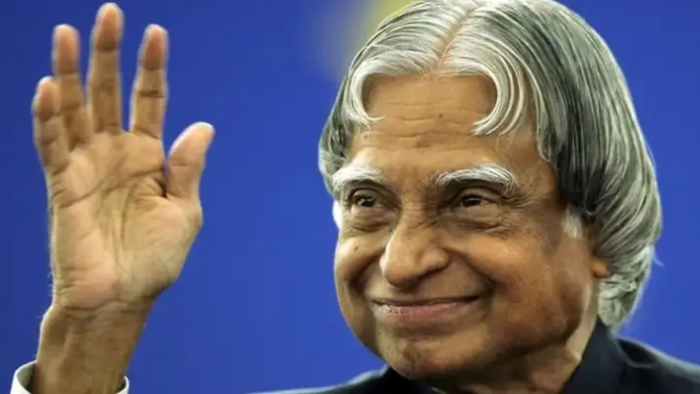
True leadership is not the title you hold or who you boss around. Leadership, in a true sense, means inspiring, guiding, and leading people to achieve a common goal. Nobody is born a leader; the intentional practice of differentiating qualities makes them. This article will examine eleven critical and Essential Leadership Qualities of a good leader, with lessons from Dr APJ Abdul Kalam, the late president of India, real-life examples, and practical knowledge.

Table of Contents

A woman leader symbolizing great vision and guidance, the Essential Quality of A Good Leader
A woman leader symbolises great vision, the Essential Quality of A Good Leader

1. Vision: One of The Essential Leadership Qualities

The late Dr Kalam also stated, “Your dream is not what you see in sleep; the dream is the thing which does not let you sleep.” Behind every great leader is a vision. How do you make other people want to follow you if you don’t know where you’re heading?

Steve Jobs symbolizing great vision and guidance, the Essential Quality of A Great Leader
Steve Jobs, A great Visionary, the Essential Quality of A Great Leader

Take Steve Jobs, for example. He imagined a future in which computers were available to specialists and everyone. He envisioned Apple as a company that forever altered how we interact with technology. As a student leader, your vision could be simple, such as helping organise a successful team event or improving the community. A solid vision energises the populace and allows everyone to stay the course through hard times. Being a Visionary is considered the Most Important Leadership Quality.

A Leader Who Pursues Unknown Path, An Essential Leadership Quality.

2. Finding the Courage to Pursue Different Avenues

Leaders don’t merely run alongside the herd; they blaze new paths. Dr. Kalam had faith in taking the “unexplored path”. This involves having the courage to experiment with new methods and ideas, regardless of their soundness.

Elon Musk - A Great Visionary Leader With Great Leadership Qualities
Elon Musk – A Great Visionary Leader with great Leadership Qualities

Take Elon Musk, who had the nerve to venture into electric cars with Tesla when most car makers thought only of gasoline vehicles. Tesla dominates the electric vehicle market today. That might mean discovering a new approach to a challenge at your school or exploring a different hobby that could unexpectedly take off for you.

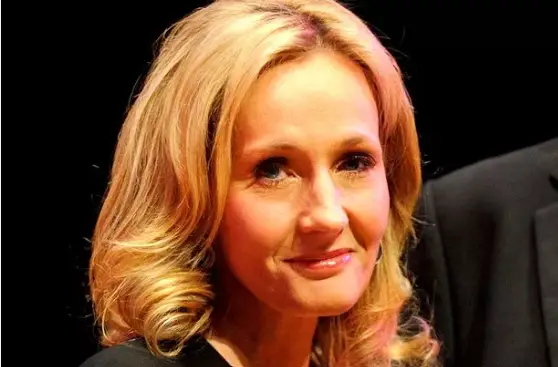
J K Rowling, A leader with perseverance and resilience, the Essential Quality of A Great Leader

3. Success and Failure Are Part of the Game: Be Humble and Resilient

Dr Kalam also taught leaders how to deal with success and failure. “Never give up if you fail because F.A.I.L. means ‘First Attempt in Learning.’ ”

A perfect case would be J.K. Rowling, the creator of Harry Potter. Several publishers rejected her before she found success. Rather than give up, she kept trying and transformed her failures into one of the most beloved book series ever. As a leader, celebrate your team’s victories and take responsibility for mistakes. This humility and resilience will earn you respect and trust, and it is an essential leadership quality that everyone should acquire to become a great leader

A leader with humility, the Essential Quality of A Great Leader

4. Courage to Make Decisions as You Face Challenges

Tough choices are usually part of leadership. Dr Kalam said, “Courage to think differently, courage to invent, courage to travel the unexplored path… are the traits of youth.”

Imagine that you are the captain of a soccer team. One of your star men is injured, and you must choose their replacement for an important fixture. However, a natural leader makes the tough call confidently and owns the result.

After all, it is narratively true that Winston Churchill led in World War II with both steely resolve and powerful rhetoric. Courage is not about never making mistakes; it’s about making decisions and learning from them.

A Noble leader, the Essential Quality of A Great Leader

5. Nobility in Management: Fair Leadership

According to Dr. Kalam, a leader should have nobility and justice in their action. To treat everyone fairly and to disclose carelessly what one did. People are all drawn to leaders who are good, just and respectful.

Mahatma Gandhi, for example, guided India’s freedom movement by living up to what he preached—nonviolence and equality. His idealism was so powerful that millions rushed to his side. Whether you are leading a school group or an office team, treating people fairly and earning their respect will help build the trust that keeps people connected.

A leader with Integrity, the Essential Quality of A Great Leader

6. Integrity: Doing The Right Thing

Integrity is staying honest and sticking to your values when it hurts. As Dr. Kalam said, “Let us sacrifice our today so that our children can have a better tomorrow. It is about selflessness and true integrity.

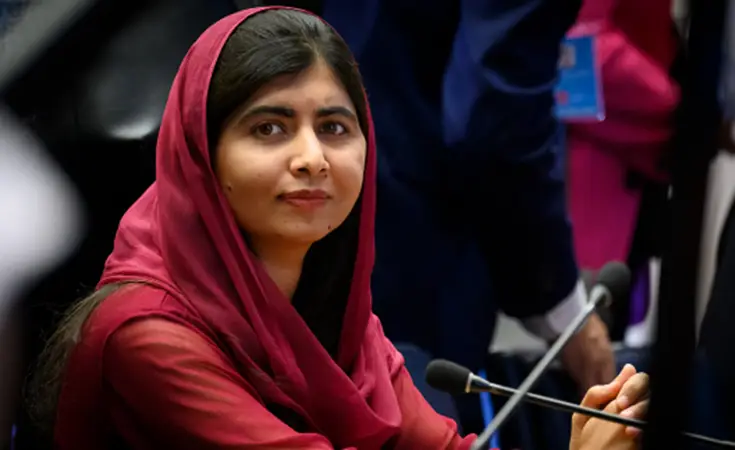
Consider Malala Yousafzai, who defied threats to her life to advocate for girls’ education. Her steadfast integrity won her worldwide respect. As a leader, you must speak the truth and maintain your values. Trustworthy leaders attract people.

Barak Obama
Barak Obama, A Great Leader With Optimism and Positivity, the Essential Quality of A Great Leader.

7. Spreading Optimism: A Beacon of Positive Energy

Positive leaders inspire and motivate their teams, even when facing challenges. A leader’s energy is like the sun—it can light up their whole day or cast a shadow of doubt.

Barack Obama was not the first to become U.S. President when he did, but his hopeful refrain, “Yes, we can”, inspired a country during an economic downturn. On a small scale, envisage allowing your teammates to get through a challenging group project by reminding each other of solutions rather than highlighting the issues. The positive energy is contagious and can shift a team’s mindset from “we can’t” to “we will.”

8. Proactive Attitude: Taking Initiative

Being proactive means solving problems before they become more prominent. Great leaders don’t wait for someone else to fix things—they take charge.

One example to consider is Greta Thunberg, the teenage climate activist who inspired students worldwide to walk out of school to draw attention to global warming. She didn’t sit around waiting for adults to act; she led the way. Being proactive in your daily life may include starting a study group before exams or proposing additional changes to a school club.

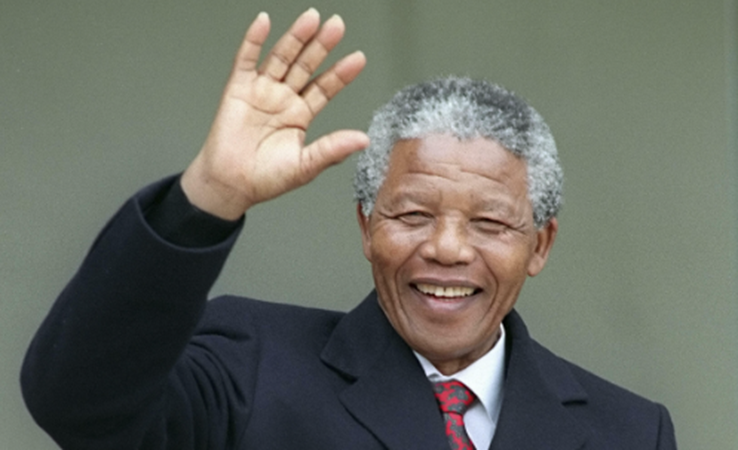
Nelson Mandela- A Great Leader Who Trusts others, A great Leadership Quality

9. Delegate and Trust Others

Even leaders cannot do it all by themselves. Delegating responsibilities demonstrates trust in your team and confidence in their skills. But delegation isn’t simply a matter of distributing tasks; it’s a matter of trusting others to do them well.

Nelson Mandela is a prime example. He was able to delegate responsibilities to his team during the fight against apartheid in South Africa. He believed in empowering others to lead. Trusting your team builds their confidence and enables you to see the bigger picture.

10. Approachability — Being Open and Supportive

Great leaders are people other people want to talk to. When team members feel they can speak to you without judgment, they’re more likely to bring you new ideas and inform you about potential issues.

Walmart founder Sam Walton was famously approachable. He took the time to talk with his employees, even running a massive company; this imbued a sense of belonging and trust in the people he worked with. Whether leading a group project or running for student council, being approachable makes you a better leader.

a woman leader exemplifying accountability and responsibility, demonstrating transparency and focus
A woman leader exemplifying accountability and responsibility, demonstrating transparency and focus

11. Accountability: Owning Your Actions

Accountability is a critical aspect of life, and it can be described as taking responsibility for actions and decisions. Great leaders don’t point fingers when things get ugly; they make things right.

Consider Satya Nadella, the CEO of Microsoft. When the company made mistakes, he addressed them openly and sought to improve. His accountability has made him respected as a leader. Whether it was a group project that didn’t exist or a sports mishap, taking responsibility is a sign of maturity that is respected.

Conclusion: Becoming a Leader Everyone Respects

Leadership isn’t about perfection; it’s about growth, courage, and kindness. By practising these eleven traits—vision, courage, integrity, positivity, and more—you can become the leader people admire. Remember, leadership starts with small steps, like taking responsibility in group projects or supporting your friends.

As Dr. Kalam said, “Let us not only build a better future but also inspire others to dream more, learn more, do more, and become more.”

FAQs

1. What makes a leader unique?
A leader’s ability to inspire others while staying true to their values makes them unique.

2. Can leadership skills be learned?
Yes, leadership skills can be developed through practice, learning, and experience.

3. How can young people develop leadership skills?
Start by taking responsibility, helping others, and learning from role models. Small actions, like organising a team or standing up for what’s right, can help you grow as a leader.

4. Why is decision-making critical in leadership?
Decisions guide the team and provide clarity. A leader who makes confident decisions keeps the group focused and united.

5. How does a leader handle failure?
A great leader sees failure as a chance to learn and improve. They take responsibility, analyse what went wrong, and inspire others to keep trying.

References

Here are five references that provide insights into leadership qualities, including those exemplified by Dr. A.P.J. Abdul Kalam:

  1. Remembering A.P.J. Abdul Kalam: Leadership Lessons from a ‘People’s President’
    This article from Knowledge at Wharton reflects on Dr. A.P.J. Abdul Kalam’s leadership style, highlighting his humility, vision, and ability to connect with people.
    https://knowledge.wharton.upenn.edu/article/remembering-a-p-j-abdul-kalam-leadership-lessons-from-a-peoples-president/
  2. APJ Abdul Kalam Leadership Style Unveiled: Insights & Inspiration
    This piece delves into Dr. Kalam’s leadership approach, emphasising his empathy, accessibility, and innovative thinking.
    https://hidayatrizvi.com/apj-abdul-kalam-leadership-style/
  3. 10 Famous Leaders and Their Leadership Styles
    This article explores various leadership styles through the examples of ten renowned leaders, providing insights into the diverse approaches to effective leadership.
    https://interobservers.com/10-famous-leaders-and-their-leadership-styles/
  4. 11 Examples of Good Leaders in Modern History
    This resource highlights eleven influential leaders, discussing the qualities that made them effective and their impact on their respective fields.
    https://teambuilding.com/blog/good-leaders
  5. Leadership Lessons from Dr A.P.J. Abdul Kalam
    This article outlines key leadership lessons from Dr. Kalam’s life, focusing on his dedication, vision, and ability to inspire others.
    https://www.mensxp.com/work-life/corporate-skills/5786-leadership-lessons-from-dr-apj-abdul-kalam.html

These references offer valuable perspectives on the essential qualities of leadership, as exemplified by Dr. A.P.J. Abdul Kalam and other notable figures.

A transformational, compassionate, intellectual leader addresses her audience with empathy and authority.

Transformational Leadership In Modern Organizations

In this time of rapid change, leadership is one quality that determines the future for both organizations and the people who drive them. Leadership is not just about giving direction and exercising authority and power. Task management and delegation are just two aspects of leadership. Change-oriented leadership encourages everyone to perform to their best potential so that visible positive changes in people, teams, and organisations are felt. The need for strong leaders has never been greater. Transformational leadership is an example of the most publicly debated leadership style.

a transformational leader, embodying grace, wisdom, and inspiration
A transformational leader, embodying grace, wisdom, and inspiration.

Table of Contents

What is Transformational Leadership?

And, yes, transformation is changing for the better. Transformational leaders motivate people to perform outside the traditional limits, use unprecedented thinking, and operate toward increased heights of purpose. They are concerned with the work and progress of their subordinates and team members. They desire to encourage, inspire, and empower their teams so that everyone shines.

A teacher is someone who helps you score good marks in your classes, motivates you, makes you dream about more significant perspectives, and helps you work towards a better future. A good teacher is a transformational leader.

An Indian woman leader in a traditional saree, exuding confidence and transformational leadership
An Indian woman leader, exuding confidence and transformational leadership.

How Transformational Leadership Qualities Work

A Clear Vision

Transformational leaders have clear foresight of their goal, choosing something that motivates everyone. This vision is a kind of map that directs the team to build something extraordinary.

For instance, a business leader may say, “We want to produce eco-friendly, cost-efficient products so we can save the planet.” This goal would help all employees discover an innovative path for a big purpose.

Inspire Others

These leaders not only tell others what to do but also inspire them to take action. They use strong words, positive energy, and concrete examples to help others believe in the common vision.

A football coach might tell their team, “You are all good enough to win this game, and I have faith that you can all do so!” That helps to reassure the team, and that’s a solid effort.

Caring About People


Transformational leaders are concerned about the people they serve. They are not reactive; they listen to their team members and their problems, and they help the team grow professionally and personally.

For example, a manager who invests time into helping an employee struggling to develop a complex new skill demonstrates care and effective leadership.

Encouraging Creativity

New ideas excite them, and they encourage their teams to innovate. Transformational leaders value mistakes as lessons, not as failures.”

For example, the chief executive of a company might say: “Don’t be afraid to try new things. Bring anything, it can be tiny,” it can be something that makes us better.

Leading By Example


Transformational leaders are all about setting the right example. You can see their clarity, hard work, and commitment in everything they do, and that consistency rubs off on their team.

For example, A leader burning themselves out to deliver a huge engagement into the finish line motivates their team to provide in kind.

A transformational leader, showcasing their confidence and inspirational qualities.

Importance of transformational leadership in modern-day organisations


New social media platforms and real-time weather forecasting — the world is changing fast, with new technologies, challenges, and opportunities arising daily. Modern organizations need leaders who can evolve with changes and help their teams adapt, too. Here’s the reason transformational leadership is so pertinent these days:

Promotes Growth and Innovation: this ever-changing era, organisations need new ideas to stay afloat in a continuously evolving market. Transformational leaders aid organizations in growing and thriving because they push employees to be innovative and identify new ways to solve issues.

Make Great Teams: Transformational leaders build a workplace where team members trust each other. Working together this way creates better outcomes and a more enjoyable working environment.

Boosts Motivation: When employees feel appreciated and motivated, they will work harder. Good transformational leaders ensure that everyone on their team feels important, increasing productivity.

Aiding Organizations in Effects of Change:In the modern world, change is a constant. Transformational Leaders strive to engage their teams to navigate and succeed through difficult times and challenges — be it a new technology or a sudden set of circumstances an organization is thrust into.

Fosters a Positive Workplace Culture: Transformational leadership promotes respect, trust, and collaboration. This creates a good workplace; employees love working here and feel at home.

Elon Musk - A Great Transformational Leader
Elon Musk – A Great Transformational Leader

Examples of Transformational leaders around you.

Elon Musk (Tesla and SpaceX) is a perfect prototype of a transformational leader. He distinctly sees the future of humanity as being centered on electric cars and space exploration. His passion and out-of-the-box thinking inspire teams around him to break new ground and accomplish the unimaginable.

Malala Yousafzai
Malala Yousafzai


Malala Yousafzai (Activism): Malala is one of the few transformational leaders who shows that you can lead, influence, and be transformational outside of business. Her dream of equal education for every child, especially girls, continues to inspire many people across the globe to strive to make the world a fairer place.


Satya Nadella (chief executive of Microsoft) When Satya Nadella took over as chief executive of Microsoft, he pushed to reorient the company around teamwork, innovation and empathy. Under his watch, Microsoft embraced new technologies and grew into one of the world’s most valuable companies.


Five Tips To Be a Transformational Leader


Becoming a transformational leader is for more than just CEOs or celebrities. Anyone can practise all these qualities, whether you are leading a school project, a sports team, or even assisting your friends.

Start with a Vision. Consider what you want to achieve and why it’s essential. Create excitement around this vision! Share (like) it with your team and/or friends!

Be a Role Model. Demonstrate the values you believe in. If you expect people to work hard, demonstrate your level of commitment.

Hear and Learn. Listen to what others say and learn from their criticism. This will give you insights into what they are looking for and make you a better leader.

Encourage Creativity. Create an environment where people will not hesitate to open up, even with weird or less-than-acceptable ideas.

Support Others. Improve your team members by providing advice, inspiration and learning opportunities.

A Transformational Woman Leader Addressing and Inspiring With Confidence and Compassion

In Conclusion: The Importance of Transformational Leadership

Transformational leadership is about inspiring people and improving their lives. It is also about trying to do big things. Since organisations constantly deal with change, transformational leaders are vital for success and creating environments.
If you’re a student who’s leading a group project or someone with aspirations of a career in leadership, transformational leadership can help you to make an impact. When you care about others, inspire creativity and lead by example, you can inspire those around you to reach for the stars—and achieve more than they imagined possible.

FAQs on Transformational Leadership in Modern Organizations

  1. What is transformational leadership? Transformational leadership is a leadership style that focuses on inspiring and motivating people to achieve their full potential. It emphasises creating a shared vision, encouraging innovation, and fostering personal and professional growth within teams.
  1. What are the main qualities of a transformational leader? Transformational leaders possess key qualities such as having a clear vision, inspiring others, showing care for their team members, encouraging creativity, and leading by example. They focus on both achieving goals and supporting individual growth.
  1. Why is transformational leadership important in modern organisations? Transformational leadership is crucial today because it encourages innovation, builds strong teams, increases motivation, helps organisations adapt to change, and creates a positive workplace culture. It is precious in a fast-changing world where creativity and adaptability are essential.
  1. How does transformational leadership differ from other leadership styles? Unlike transactional leadership, which focuses on tasks, rewards, and punishments, transformational leadership emphasises inspiration, personal growth, and creating meaningful change. It goes beyond just managing tasks to building a motivated and innovative team.
  1. Can anyone become a transformational leader? Yes, anyone can develop transformational leadership qualities by starting with a clear vision, leading by example, listening to others, encouraging creativity, and supporting their team members. Leadership is not limited to positions of power—it’s about actions and attitude.
  1. What are some real-life examples of transformational leaders? Examples include Elon Musk for his vision in electric vehicles and space exploration, Malala Yousafzai for her activism in education and equality, and Satya Nadella for transforming Microsoft through innovation and teamwork.
  1. What are the challenges of transformational leadership? Some challenges include balancing ambitious visions with realistic goals, taking the time to build trust, and managing resistance to change. Transformational leaders need patience, adaptability, and practical communication skills to overcome these challenges.

References on Transformational Leadership:

  1. Transformational Leadership: How To Inspire Innovation at Work
    This article explores how transformational leadership can drive innovation within organisations.

  2. What is transformational leadership? A model for motivating innovation.
    This piece discusses the principles of transformational leadership and its role in fostering innovation.

  3. The key principles of transformational leadership in the modern workplace
    This article outlines the essential principles of transformational leadership applicable in today’s work environments.

  4. 20 Examples Of Transformational Leaders
    This resource provides real-world examples of leaders who have exemplified transformational leadership.

  5. “New leadership in an era of thriving organisations”
    This article examines the evolving nature of leadership and the importance of transformational approaches in modern organisations.

These references offer comprehensive information on transformational leadership, its principles, and its application in contemporary organisational settings.

A Young Confident Leader With High Emotional Intelligence (EQ) Exuding Confidence

Emotional Intelligence in Leadership: A 5 Step Guide for Young Adults

Emotional intelligence (EQ) is one of the most essential skills for becoming a great leader. But don’t let the term scare you off! Emotional intelligence is about understanding emotions—your own and those of others—and using that knowledge to guide your actions.

Let’s discuss how Emotional Intelligence can make you an inspiring leader and how you can develop it.

Table of Contents

An Example of Emotional Intelligence. A Captain Navigating a Ship with Calm and Confidence.
A Captain Navigating a Ship with Calm and Confidence.

Emotional Intelligence – A Definition

Emotional Intelligence (EQ) means being aware of, controlling, and expressing oneself and handling interpersonal relationships judiciously and empathetically.

Think of it like this: You are the ship’s captain, and your emotions help you steer in the right direction while ensuring the smooth ride of others. Emotional intelligence is like a superpower that enables you to connect with people. It’s made up of five essential parts:

  1. Self-awareness – Knowing what you feel and why.
  2. Self-regulation – Controlling how you react to your emotions.
  3. Motivation – Using emotions to fuel your drive to achieve goals.
  4. Empathy – Understanding how others feel.
  5. Social skills – Building strong relationships and communicating well.

Leadership is the Glue of a Team. A great leader makes people feel that there is Someone who cares, recognises their efforts and shines a light on them when they are going astray. When you master these, you’ll find it easier to lead a team, inspire others, and handle challenges gracefully.

A confident and inspiring young woman leader, emphasizing her role in a collaborative and professional setting.
A confident and inspiring young woman leader emphasising her role in a collaborative and professional setting.

Why Emotional Intelligence Matters in Leadership

Leadership means exercising power and authority to achieve a shared goal. Leaders have to deal with different personalities, conflicts, and high-pressure situations. If you are unaware of your emotions and those of others and lack emotional intelligence, it’s easy to let emotions take over, resulting in poor decisions and broken relationships.

But when you’re emotionally intelligent, you can:

  • Stay calm under pressure – No more snapping or panicking in tough times.
  • Build trust – People follow leaders they feel connected to.
  • Resolve conflicts – Understand both sides and find a solution that works.
  • Motivate others – Inspire your team to do their best.
  • Make better decisions – Think clearly, even when emotions run high.

Doesn’t that sound like the kind of leader people want to follow?

A young woman leader, embodying confidence and emotional intelligence in a professional office setting.

How to Build Emotional Intelligence

The good news is that emotional intelligence is not a fixed one. It’s a skill you can develop. Here’s how:

1. Practice Self-Awareness

Pay attention to your emotions. When angry, ask yourself, “Why am I feeling this way?” When you’re happy, think about what triggered it. Journaling can help. Write down what you feel each day and what caused those feelings. Over time, you’ll see patterns that help you understand yourself better.

2. Learn to Manage Your Reactions

Let’s say someone criticises your work. Instead of lashing out or shutting down, pause. Take a deep breath and think about your response. Remember that criticism isn’t personal—it’s a chance to grow.

You can also try mindfulness or meditation to control your emotions. These practices train your brain to pause before reacting.

3. Boost Your Motivation

Ask yourself: What drives you? Is it helping others? Achieving personal goals? When you have a clear purpose, it’s easier to stay motivated, even when things get tough.

Set small goals and celebrate when you achieve them. It’ll keep you energized and focused.

4. Build Empathy

Empathy is about stepping into someone else’s shoes. When a teammate is upset, don’t just brush it off. Ask them how they’re feeling and listen. Really listen. Show that you care.

The more you practice empathy, the stronger your connections with others will be.

5. Sharpen Your Social Skills

Great leaders know how to connect with people. Practice clear communication. Learn to give feedback in a way that’s helpful, not harsh. For example, instead of saying, “You messed up,” try, “Here’s how we can improve this next time.”

Don’t forget to show appreciation. A simple “thank you” can go a long way.

A hot-headed boss, showcasing the negative impact of poor emotional regulation in leadership within a professional office setting.
A hot-headed boss, showcasing the negative impact of poor emotional regulation in leadership.

Examples of Emotional Intelligence in Action

Let’s look at two leaders: one with emotional intelligence and one without.

  1. The Hot-Headed Boss
    Imagine a boss who yells at their team when something goes wrong. They don’t listen to ideas and make decisions based on emotions. How does that make the team feel? Probably stressed and unmotivated.
  2. The Calm and Collected Leader
    Now, picture a leader who stays calm during challenges. They listen to their team, consider everyone’s input, and explain decisions clearly. This leader builds trust and inspires loyalty.

Which leader would you instead follow? That’s the power of emotional intelligence.

How EQ Can Help You in Real Life

Even if you’re not leading a team yet, emotional intelligence can help you in school, work, and relationships. Here’s how:

  • In School – When you understand your emotions, you can handle stress better and focus on your studies. You’ll also connect with classmates and teachers more easily.
  • At Work – Whether working part-time or starting your career, EQ helps you deal with customers, coworkers, and bosses. You’ll stand out as someone calm, cooperative, and easy to work with.
  • In Relationships – Friendships and romantic relationships thrive when you’re empathetic and communicate well. Emotional intelligence can help you avoid unnecessary fights and build stronger connections.

Tips to Keep Growing Your Emotional Intelligence

  1. Ask for Feedback
    Don’t be afraid to ask, “How can I improve as a leader or team member?” Honest feedback helps you grow.
  2. Learn from Role Models
    Look at leaders you admire. What makes them great? How do they handle tough situations? Take notes and apply what you learn.
  3. Be Patient with Yourself
    Building emotional intelligence takes time. Don’t get discouraged if you slip up. Every step forward is progress.
  4. Read and Learn
    There are many books and resources on emotional intelligence. Start with something simple, like Travis Bradberry’s Emotional Intelligence 2.0.

The Ripple Effect of Emotional Intelligence

Here’s the thing: When you work on your emotional intelligence, it doesn’t just benefit you. It impacts everyone around you. Your team will feel more supported. Your friends will feel more connected. Even strangers will notice your kindness and calmness.

Emotional intelligence creates a ripple effect, spreading positivity and inspiration wherever you go. And isn’t that what leadership is all about?

A young woman leader inspiring and guiding her team with confidence and emotional intelligence in a collaborative and professional setting.
A leader inspiring her team with emotional intelligence in a collaborative and professional setting

Final Thoughts

Leadership isn’t about being the loudest or the smartest in the room. It’s about understanding people—yourself and others—and using that understanding to inspire and guide. Emotional intelligence is the foundation of outstanding leadership, a skill you can start building today.

So, take that first step. Practice self-awareness, be empathetic, and learn to manage your emotions. Before you know it, you’ll be the kind of leader people admire and trust.

FAQs

1. What’s the easiest way to start building emotional intelligence?

Start with self-awareness. Please pay attention to your emotions and what triggers them. This small step will make a big difference.

2. Can emotional intelligence help me in school?

Absolutely! It helps you handle stress, work well with classmates, and communicate effectively with teachers.

3. Is emotional intelligence more important than IQ in leadership?

Both are important, but EQ often makes a bigger impact. People follow leaders they trust and connect with, and that comes from emotional intelligence.

4. Can introverts have high emotional intelligence

Of course! Introverts can be profoundly empathetic and reflective, which are key aspects of EQ.

5. How long does it take to improve emotional intelligence?

It’s a lifelong journey, but you’ll start seeing changes quickly if you practice consistently. Be patient and enjoy the growth!

Here are five insightful articles on emotional intelligence:

  1. “The Truth About Emotional Intelligence” – This article explores the concept of emotional intelligence, its history, benefits, and skills, with insights from experts at the Yale Center for Emotional Intelligence.
  1. “Emotional Intelligence: Why We Need It Now, More Than Ever” – Discusses emotional intelligence’s heightened importance in navigating modern life’s complexities, including the pandemic’s psychological effects and social challenges.
  1. “What Is Emotional Intelligence and Why Does It Matter?” – Provides a comprehensive overview of emotional intelligence, its components, and its significance in personal and professional contexts.
  1. “Emotional Intelligence” – An in-depth look at the concept, skills, and benefits of emotional intelligence, along with guidance on cultivating and measuring it.

5.“What Is Emotional Intelligence? Traits, How To Test And More” – Explores the traits associated with

Emotional intelligence, methods for assessment, and its impact on various aspects of life.

These resources offer valuable insights into understanding and developing emotional intelligence.